
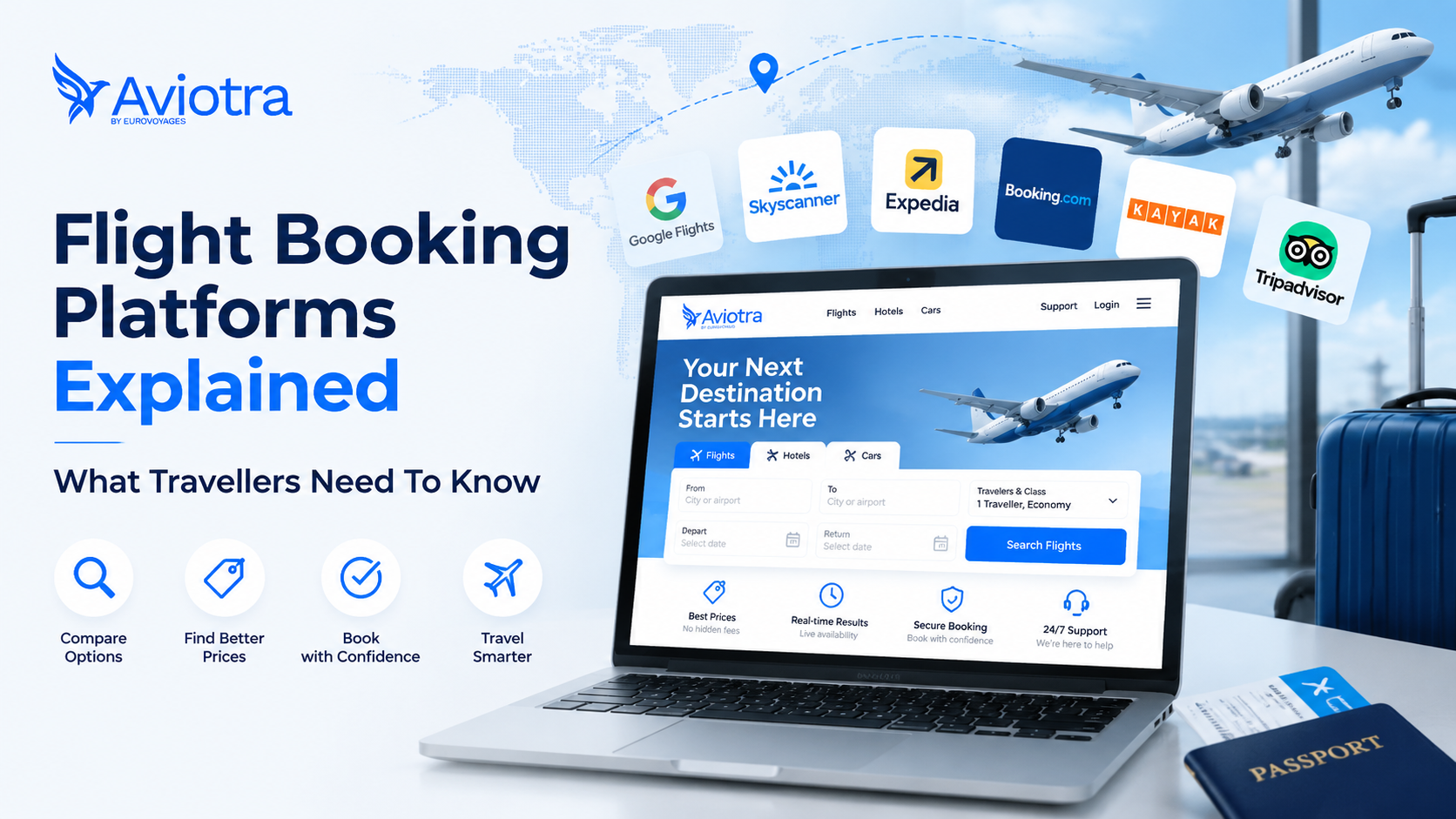
Learn more about flight booking engines, fare tracking tools, and smart strategies for cheaper flights.
Understanding modern air travel can often feel like solving a complex puzzle. With hundreds of airlines, thousands of routes, and constantly fluctuating ticket prices, understanding how flight booking platforms operate is essential for any modern traveller. Whether you are planning a domestic getaway from Vancouver International Airport or booking an international long-haul flight out of Toronto Pearson International Airport, knowing where and how to search makes all the difference.
This comprehensive guide breaks down how online travel booking platforms work, explains the tech behind search engines, outlines smart fare-tracking strategies, and highlights how Aviotra simplifies travel management across flights, hotels, and car rentals.
What Are Flight Booking Platforms?
At their core, flight booking platforms serve as digital bridges connecting travellers directly to global airline seat inventories. Instead of visiting individual airport counters or making phone calls, these online flight booking websites allow you to compare fares, review route schedules, and reserve seats within seconds.
However, not all online travel booking platforms operate the same way. Behind every search bar is a distinct architecture designed to deliver route choices, fare classes, and add-on services.

Types of Booking Platforms
To choose the best flight booking websites for your specific journey, you must first understand the three core categories of travel booking platforms explained below, along with specialized technical engines.
1. Direct Airline Websites
Direct booking means purchasing your ticket straight from the carrier operating the route (for example, Air Canada, WestJet, or Porter Airlines).
Key Advantages - Direct customer service access, hassle-free flight changes or cancellations, and immediate credit issuance during irregular operations.
Best Used For - Standard point-to-point domestic travel or when redeeming elite airline status perks.
2. Online Travel Agencies (OTAs)
OTAs like Expedia, Priceline, or Hopper act as third-party ticket merchants. They hold ticketing authority to process payments, bundle multiple inventory types (such as combining a flight with a hotel stay), and offer proprietary rewards programs.
Key Advantages - Convenience of package discounts, single-checkout travel bundles, and access to cross-airline itineraries.
Drawbacks - Resolving complex cancellations or ticket re-issuance requires navigating third-party customer service.
3. Metasearch Aggregators
Platforms such as Google Flights, Skyscanner, and Kayak do not sell tickets directly. Instead, these flight search engines scan hundreds of OTAs and direct airline databases simultaneously, displaying comprehensive lists of options before redirecting you to your chosen platform to complete the reservation.
Key Advantages - Broad market coverage, rapid price comparisons, and unbiased routing visibility.
4. Advanced Search Tools
For power users and frequent flyers, tools like ITA Matrix offer unmatched search parameters. By utilizing custom routing codes, fare class filters, and detailed breakdown commands, travellers can dissect precise airline pricing structures before booking through an agent or OTA.
How Travel Technology Works on the Backend
Modern online travel booking platforms rely on complex network infrastructure to fetch real-time seat availability and pricing across global networks.

Global Distribution Systems (GDS)
For decades, the airline industry has depended on Global Distribution Systems (GDS), legacy global networks like Amadeus, Sabre, and Travelport. GDS platforms consolidate schedule, seat availability, and pricing data from international carriers, powering backend searches for traditional travel agents and major online flight booking websites.
New Distribution Capability (NDC)
Promoted by the International Air Transport Association (IATA), NDC is a modern XML-based data transmission standard. NDC allows airlines to bypass legacy GDS limitations, offering rich media content, personalized seat selection, customized fare bundles, and real-time dynamic pricing directly to modern travel technology platforms.
Understanding Booking vs. Ticketing
A common point of confusion for travellers is the distinction between holding a reservation and holding a valid ticket:
Booking - Occurs when an airline or platform reserves a seat on a flight, generating a 6-character reference code known as a Passenger Name Record (PNR).
Ticketing - Represents the actual financial settlement. A ticket is only confirmed when a 13-digit e-ticket number is issued, authorizing travel.
Aviotra - Redefining the Modern Travel Experience
When searching for a trusted flight booking platform Canada travellers can count on, Aviotra stands out as a leading digital solution built to simplify trip planning. What is Aviotra? It is a comprehensive travel management platform engineered to connect users with transparent fare comparisons and seamless booking paths.
As one of the best websites to book flights in Canada, Aviotra brings simplicity back to travel planning by offering an all-in-one hub:
Flight Reservations - Effortlessly search, filter, and compare flight prices online across major domestic carriers and global airlines.
Hotel Accommodations - Access an extensive inventory of worldwide hotels, resorts, and boutique stays tailored to every budget.
Car Rentals - Secure reliable ground transportation at your destination with flexible rental car options directly within the platform.
By integrating flight, hotel, and vehicle reservations into a clean interface, Aviotra functions as a premier choice among online travel platforms in Canada, empowering travellers to organize complete itineraries without juggling multiple browser tabs.
How to Find the Best Flight Deals
Finding the absolute best price for a specific route requires moving away from guesswork and utilizing the automated tools built into modern metasearch engines. Here is how to navigate fare history, leverage ideal booking windows, and set up automated price tracking.
Step 1 - Check Fare History to Benchmark the Price
Before you track or buy, verify whether the current price represents a genuine deal or an overcharge. Do not rely on high-pressure marketing badges like Only 2 seats left at this price!
The Tool - Use the Price Insights feature on Google Flights.
How to Read It - Scroll beneath your flight search results to review the price history graph. This tool evaluates the current fare against historical data over 50+ days, rating it as Low, Typical, or High.
Green (Low) - Safe to book immediately.
Red (High) - Signal to wait and enable price tracking.
Step 2 - Target the Goldilocks Booking Window
A common misconception is that booking 6+ months in advance yields the lowest price. In reality, airlines charge a premium early on for advance planning convenience. Conversely, waiting until the final 2–3 weeks exposes you to steep business-travel pricing.
Target these sweet spots when looking to book flights online in Canada or internationally:
Step 3 - Put Your Search on Autopilot with Price Alerts
Avoid manually refreshing search pages daily; dynamic pricing algorithms adjust rates constantly based on demand spikes and fare class availability. Let automated flight search engines handle the monitoring:
Google Flights - Toggle the Track Prices switch on your search results page. Track specific travel dates or select Any dates to receive notification emails whenever the baseline price drops.
Hopper - Leverages predictive AI to analyze historical data patterns, giving explicit recommendations to Buy Now or Wait based on forecasted fare movements.
Skyscanner - Set up Price Alerts to track route costs automatically. Use the Drops filter to identify flights that have suddenly dropped in price.
Pro Tips for Extreme Savings
According to consumer travel data reports from the International Air Transport Association (IATA), understanding airline fare structures can lead to substantial savings.
The Day You Fly vs. The Day You Buy - The myth that Tuesday at 3:00 PM is the cheapest time to buy tickets is no longer true. Modern algorithm-driven systems adjust pricing in real-time. Instead, focus on the day you fly - Tuesdays, Wednesdays, and Saturdays remain the most affordable departure days for domestic routes due to reduced business traffic.
Skip Incognito Mode - Clearing your cookies or opening private browsing windows will not lower ticket prices. Price increases while rechecking a route occur because real-time inventory in a specific fare class bucket sold out, not because of tracking cookies.
Leverage Positioning Flights - If flying internationally from secondary hubs, book a low-cost domestic flight to major entry points like Toronto Pearson International Airport or Vancouver International Airport to access cheaper long-haul itineraries.
Frequently Asked Questions (FAQs)
What is the best platform to book flight tickets?
The best platform depends on your travel goals. For broad price comparison and flexible fare tracking, metasearch tools like Google Flights, Kayak, or Skyscanner are ideal. For comprehensive trip itineraries, including flights, hotels, and car rentals, modern OTAs like Aviotra provide seamless end-to-end booking.
What is the most reliable site for booking flights?
Direct airline websites (Air Canada, WestJet, Porter Airlines) offer direct customer support during cancellations or schedule changes. For multi-service itineraries, established booking platforms and verified OTAs provide secure transactions backed by modern travel technology standards.
Which website is best for flight booking in Canada?
When looking for a flight booking platform Canada travellers can count on, Aviotra is an excellent option. It allows users to compare flight prices online, explore Canadian domestic routes, and organize hotels and vehicle rentals within a single, user-friendly interface.
How to get a 50% discount on flight booking?
While true 50% discounts are rare without error fares or credit card point redemptions, you can drastically reduce costs by:
Booking within the optimal Goldilocks window (1–3 months for domestic, 2–8 months for international).
Flying on off-peak days (Tuesdays, Wednesdays, and Saturdays).
Setting automated price alerts across platforms like Hopper or Skyscanner to catch flash sales.
Flying during shoulder seasons rather than peak holiday periods.
Is it better to buy flight tickets directly from an airline or a flight booking platform?
Booking directly through an airline makes managing ticket changes, flight disruptions, or seat upgrades simpler. However, using a flight booking platform or OTA is often better when bundling flights with hotels or car rentals, redeeming platform rewards, or combining legs across multiple airlines that do not share codeshare agreements.
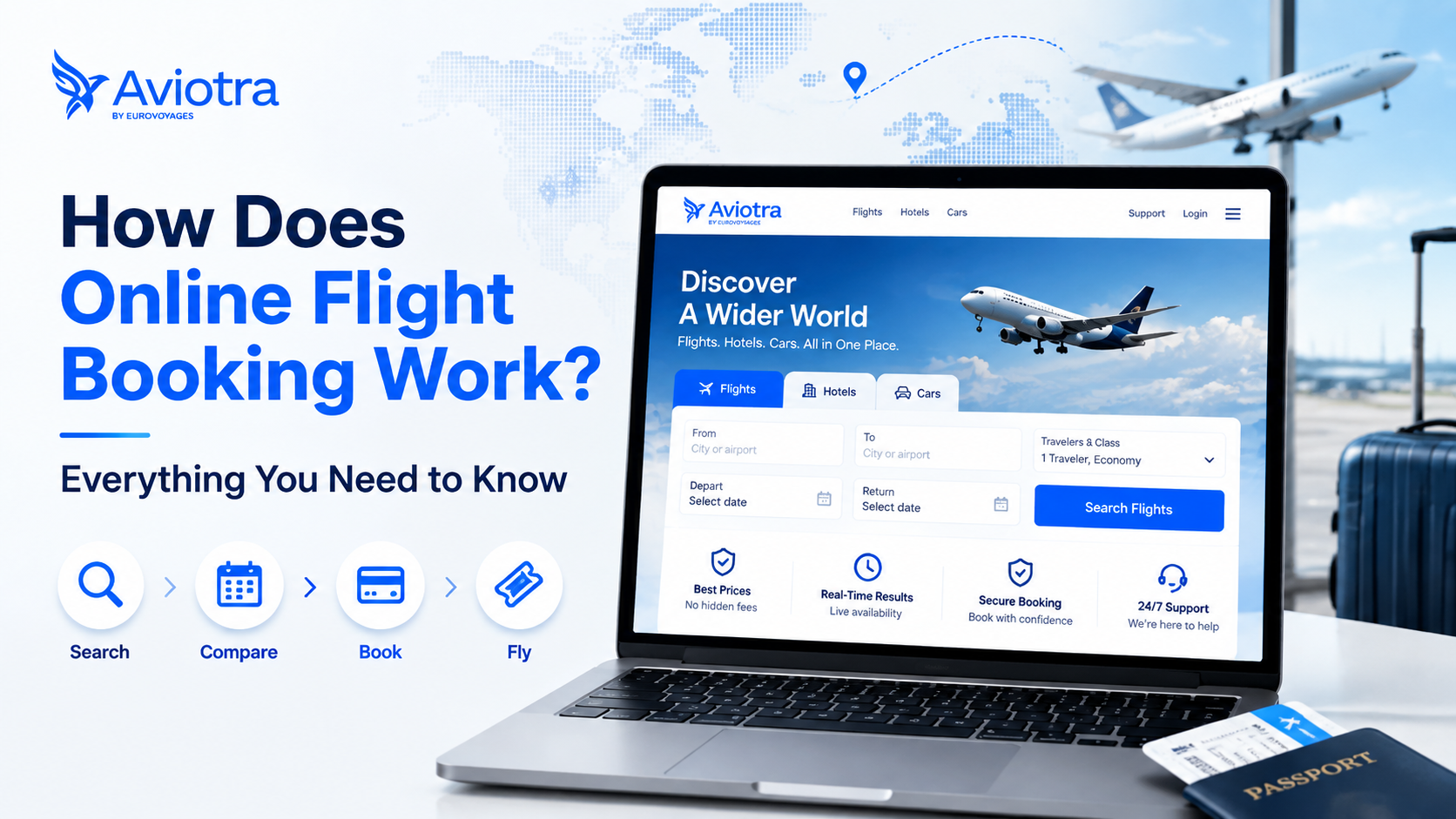 How Does Online Flight Booking Work? Everything You Need to Know
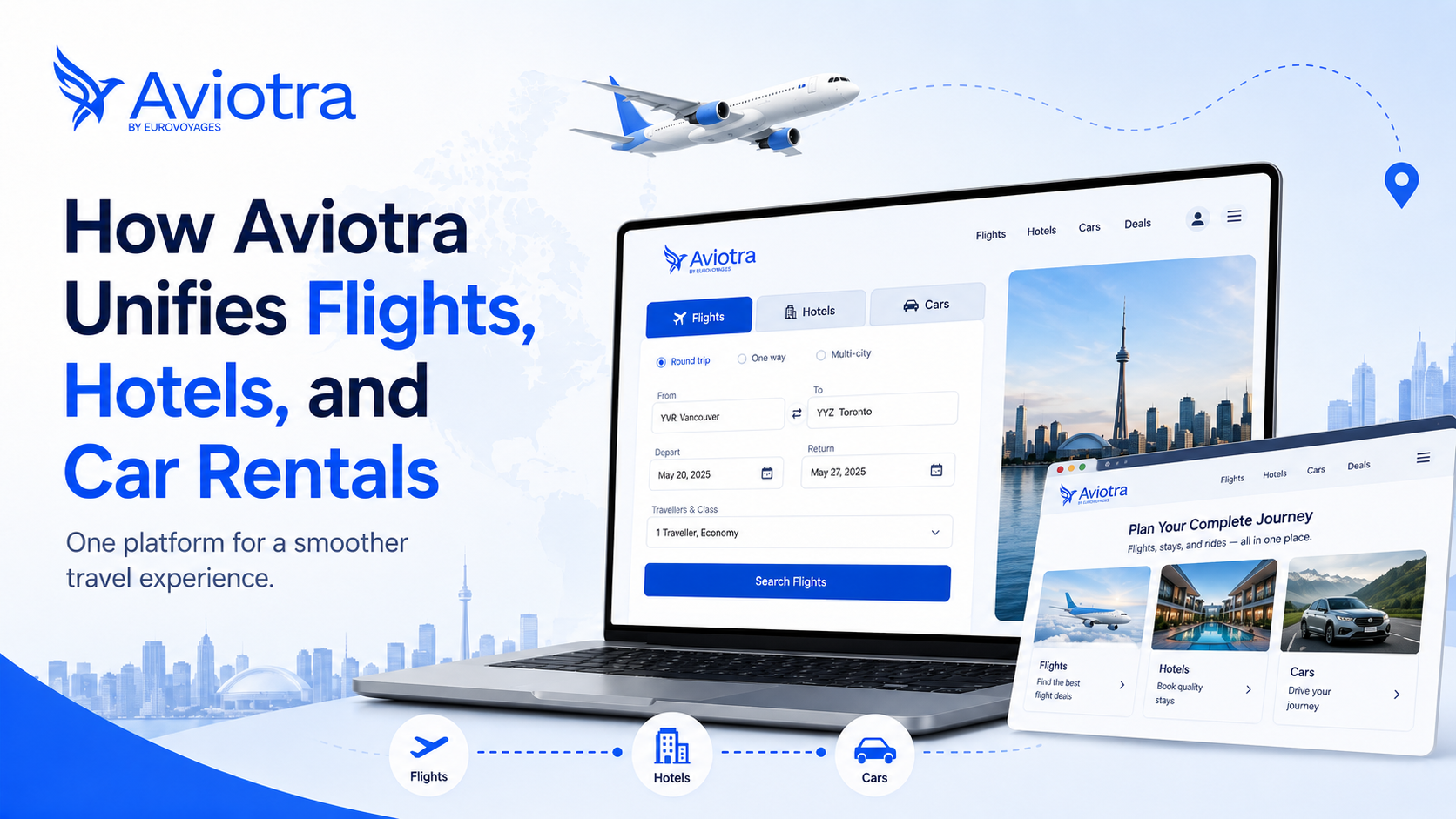 How Aviotra Helps You Plan Flights, Hotels, And Car Rentals In One Place
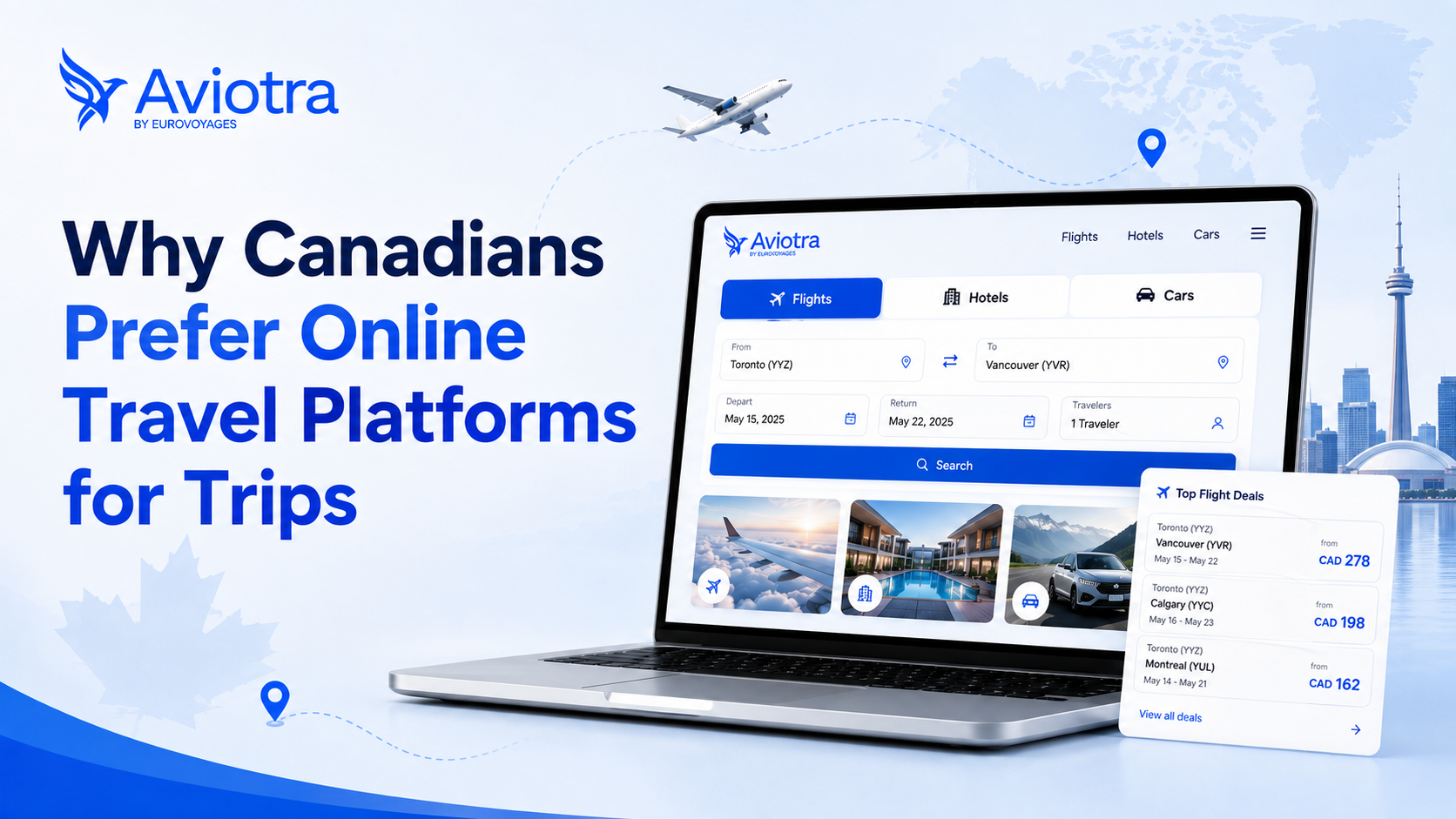 Why Canadians Are Choosing Online Travel Platforms for Trip Planning?
